About Us
Wedesen Wire Mesh Co., Limited is a trusted supplier of military defense barriers in China. We focus on blast walls, fortification barriers and perimeter security products.

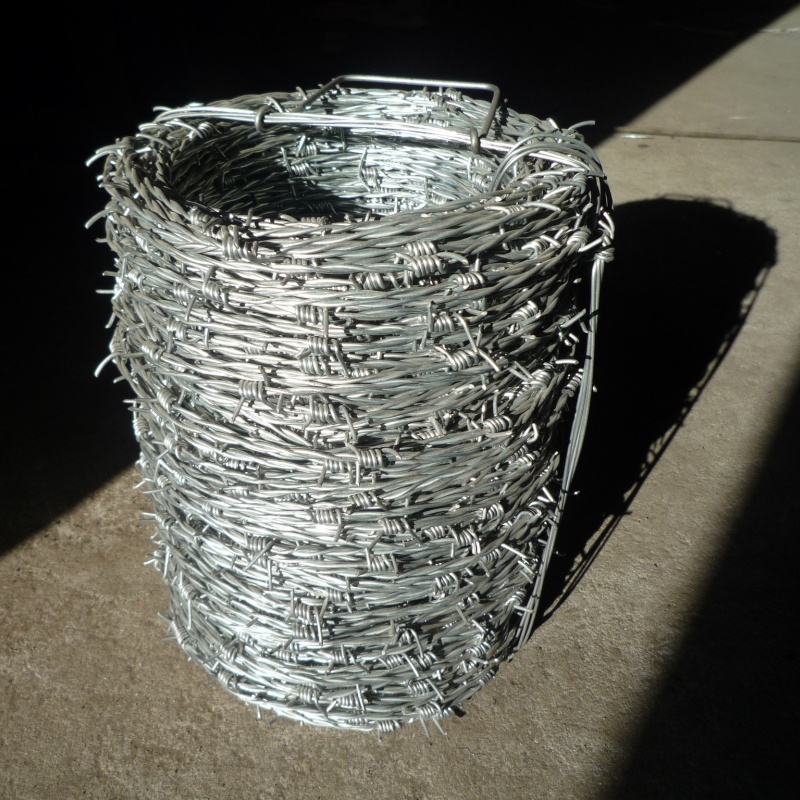
A farmer once described fencing a large property as “a job measured in miles, not meters.”
A roll of wire has to travel across fields, corners have to be prepared, every section needs to be tensioned, and the finished line must remain consistent across uneven ground.
On a small farm, these tasks may be manageable. Across several kilometers, handling the fencing material becomes a major part of the work.
Easier to Handle Along Long Fence Lines
Single twist barbed wire uses a single line wire with barbs attached at regular intervals. Compared with heavier multi-wire configurations, its straightforward construction makes the material easier to handle while moving along a long fence line.
For large farms, that matters during three stages:
1.Moving the wire: Rolls can be transported between fence sections without adding unnecessary handling weight.
2.Stringing the wire: The wire can be played out along the prepared fence line before fixing it to the posts. Agricultural fencing guidance recommends dispensing wire in a controlled manner to avoid kinks or damage.
3.Fixing the wire: Once the line reaches the end post, it can be tensioned and secured before being attached along the intermediate posts.
This approach is especially useful when a property has several separate paddocks or boundary sections. The process is straightforward, which helps crews maintain a consistent working rhythm across long sections.
Installation Tip
Farm fencing guidance commonly recommends installing and tensioning wire in sections between properly supported corner or brace assemblies.
It is particularly useful when the project involves a lot of fence and relatively straightforward terrain, where installation efficiency becomes just as important as the wire itself.
Of course, the fence still needs suitable posts, proper end anchoring and appropriate tension. Livestock type and terrain should also be considered before choosing the final configuration.
If you know the approximate fence length, number of strands and post type, these details can be used to work out a suitable wire specification and quantity for the project.