Flood Control Barriers for Secondary Flood Risk Management After the Bhotekoshi Disaster
The Bhotekoshi flood showed how quickly conditions can change in a mountain river system. On August 26, water levels rose rapidly and the flood carried water, sediment, and large boulders downstream.
For risk managers, this creates a different problem after the first surge: which areas still need protection when the river has not returned to normal?
Managing Risk at Specific Locations
A practical flood response does not require protecting an entire river corridor. It requires identifying the locations where continued water exposure could disrupt critical work.
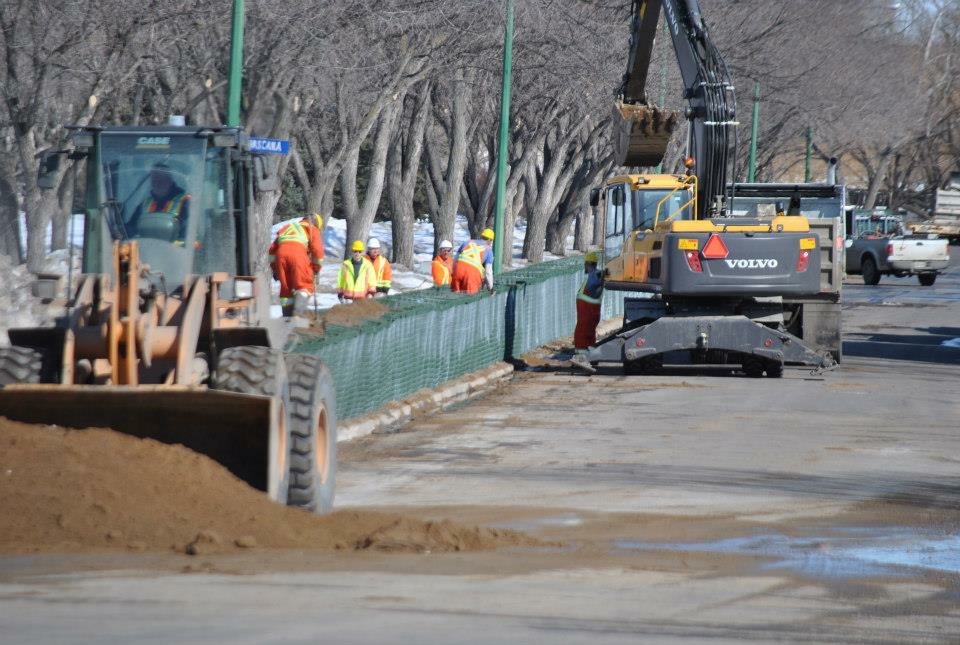
Flood Control Barriers can be deployed around emergency equipment locations and infrastructure inspection sites to deliver localized protection against water intrusion and runoff.
Why the Barrier Design Matters
Every component of our flood‑resistant barrier is engineered to deliver reliable, flexible on‑site flood protection.
1.Corrosion resistant steel frame: Low-carbon welded steel mesh with zinc‑aluminium or hot‑dip galvanized finish withstands damp, corrosive outdoor conditions.
2.Durable inner liner: A UV- stabilized polypropylene geotextile contains fill materials, creating a stable non-permanent flood‑defence structure.
3.Flexible sizing options: Over ten available unit sizes enable custom layouts tailored to unique work-site boundaries.
From Emergency Response to Risk Control
The current situation has involved damaged infrastructure, disrupted access, and continuing concerns about conditions along the river system.
For engineers and emergency planners, the objective after an extreme event is more specific:
keep essential operations functioning while controlling the risks that remain.
Flood Control Barriers cannot stop an extreme flash flood or replace early-warning and evacuation systems. Their value is in the next stage—protecting selected areas where inspection, repair, logistics, or reconstruction must continue.